
I hate briars, brambles…thorny vines, whatever you care to call them, I hate them. This morning I spent some time working on the south 40. That’s the south 40 feet of my property not the south 40 acres. We have a bit over an acre here and there is a small peninsula of land at the south end that narrows down towards Potts Branch Road. It sits behind our tool shed and is a pleasant little spit of land. It will be even more pleasant after I get rid of the greenbrier. I attacked it heavily 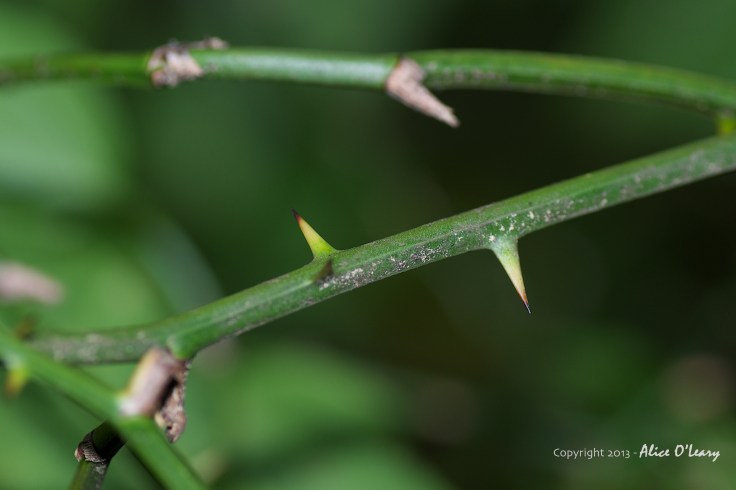 this a.m. because I just hate briars. I think it must stem (pardon the pun) from some bad experiences in childhood. I was always running around and prowling in the woods behind our house and I remember getting tangled up rather badly on a couple of occasions. Being a child there was that tendency to panic and try to get away from bad things quickly. Such tendencies have bad results in briar patches. I’m more cautious now, of course.
The strategy this a.m. was weaponry coupled with chemical warfare. I cut and pulled free the vines, traced them back to their origin, cut them at the root and applied a surgical squirt of weed killer. I cleared a good amount of vine, heaping it in a clearing with plans to move it to a burn pile later. There is still more to go but I feel I have made some young trees much happier. They had been pulled down by the accumulating vine and were bent nearly to the ground under the weight. Some vines climbed high into mature trees and when I was able to pull some down I was surprised to see berries. And then the guilt hit. 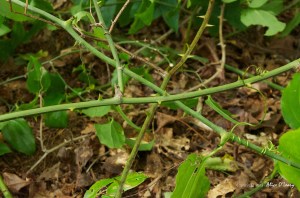 Perhaps the vine has a purpose? My ego initially rejected such an idea but my pace slowed and I decided I would learn more before proceeding. I have cleared the area I foresee as the “path” so the brambles along the fence can be pruned more judiciously, I reasoned.
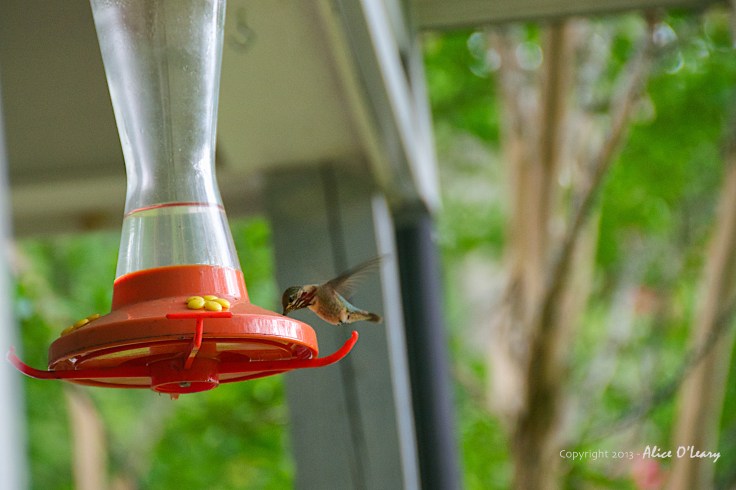
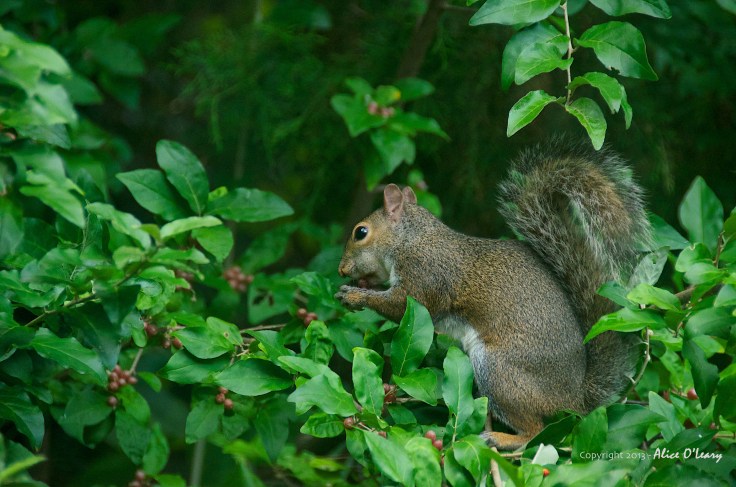
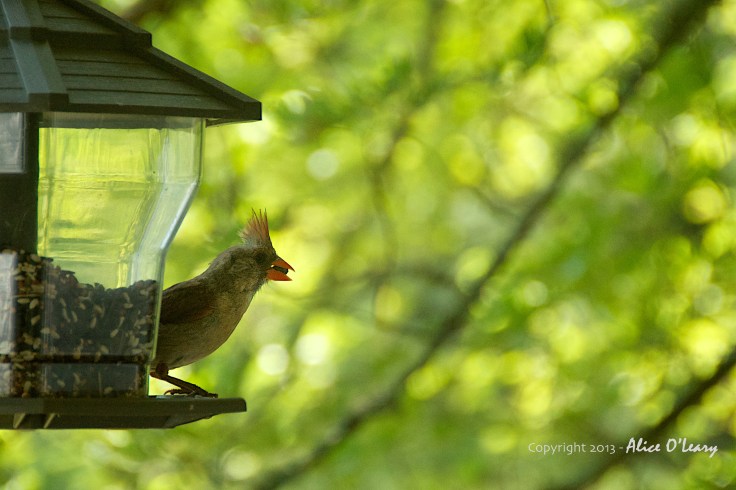
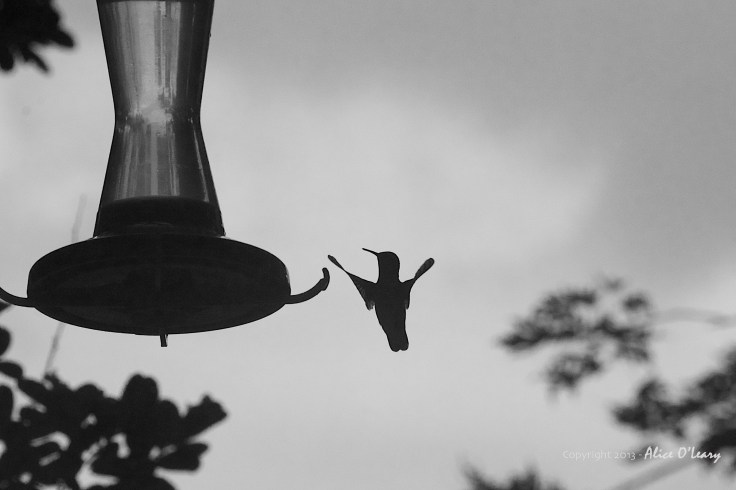
Returning to the house I went online and learned that greenbrier do indeed serve a purpose. The berries are loved by birds. They only form after the vine reaches the high trees so a lot of time and effort is spent growing that vine. I’m chagrined and a little chastened but I’m unchanged … I hate briars. I’ll find a way for all of us to live together. But the glory days are over for much of the greenbrier on the south 40. The tangled mass of intertwined brambles is gone. Sorry … well, not really. The birds are getting plenty to eat at my feeders and maybe they’ll miss the succulent greenbrier berry but I really won’t.☙










 Alice's WanderLand